


Obra Reciente
Hijos del sol
2022

The Consecration to the craft — Four Decades Making Art
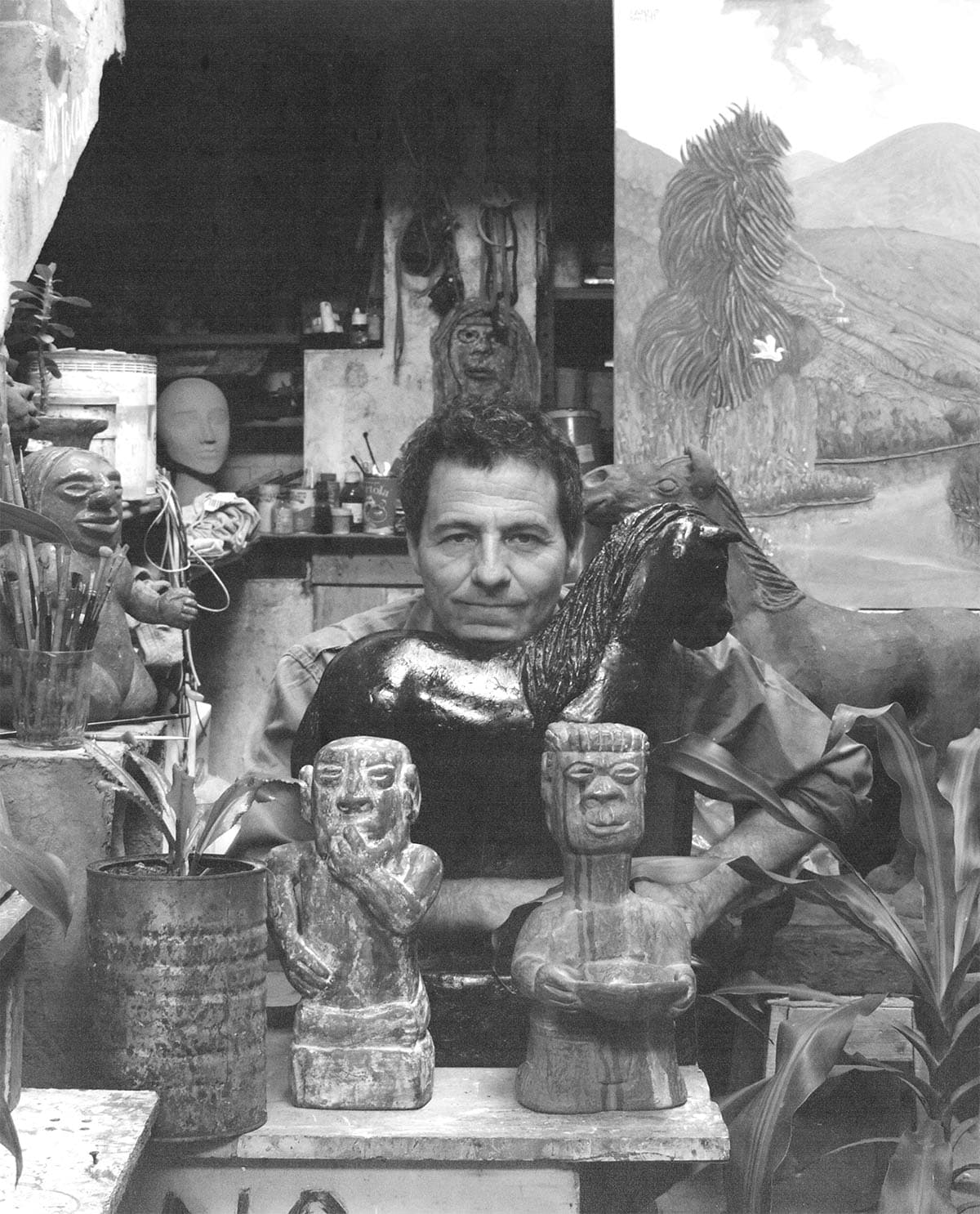
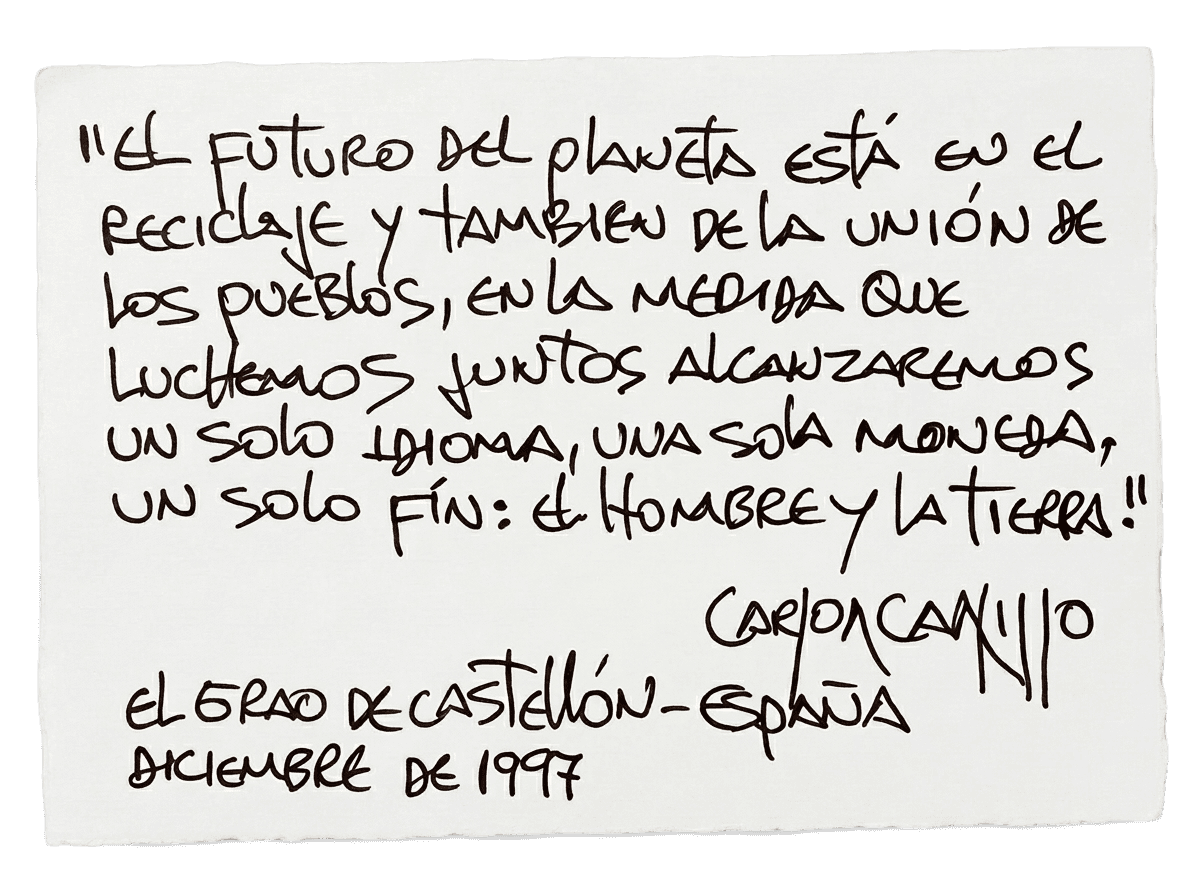
Carlos Castillo's artistic devotion dates back to his earliest years of childhood, when between scribbles in the dirt and drawings auctioned off in classroom, he discovered his passion for aesthetics and meaning. Years later, freshly out of adolescence, the young artist decided to dedicate himself entirely to his work. The spirit of his canvases took the form of a vibrant, personal criollismo that led him to the main exhibition halls of Quindío, and later to Europe, where he explored the roots of Hispanic American art. In 1995, guided by his curiosity in indigenous plastic art and the vast possibilities of sculpture, he became obsessed with the search for a technique of his own. A long process of trial and error that, twelve years later, culminated in the invention of PDR — his first ecological amalgam with the qualities he had long sought: plasticity, hardness, and resistance. Since his return to Colombia in 2011, the artist has continued exhibiting and experimenting with the creation of sculptural techniques that are increasingly lightweight and environmentally conscious. With his most recent iteration, called Car-Em, he sculpts ever more clues to the question that launched him as an inventor: What would have become of indigenous plastic art had the conquest never occurred?
About The Artist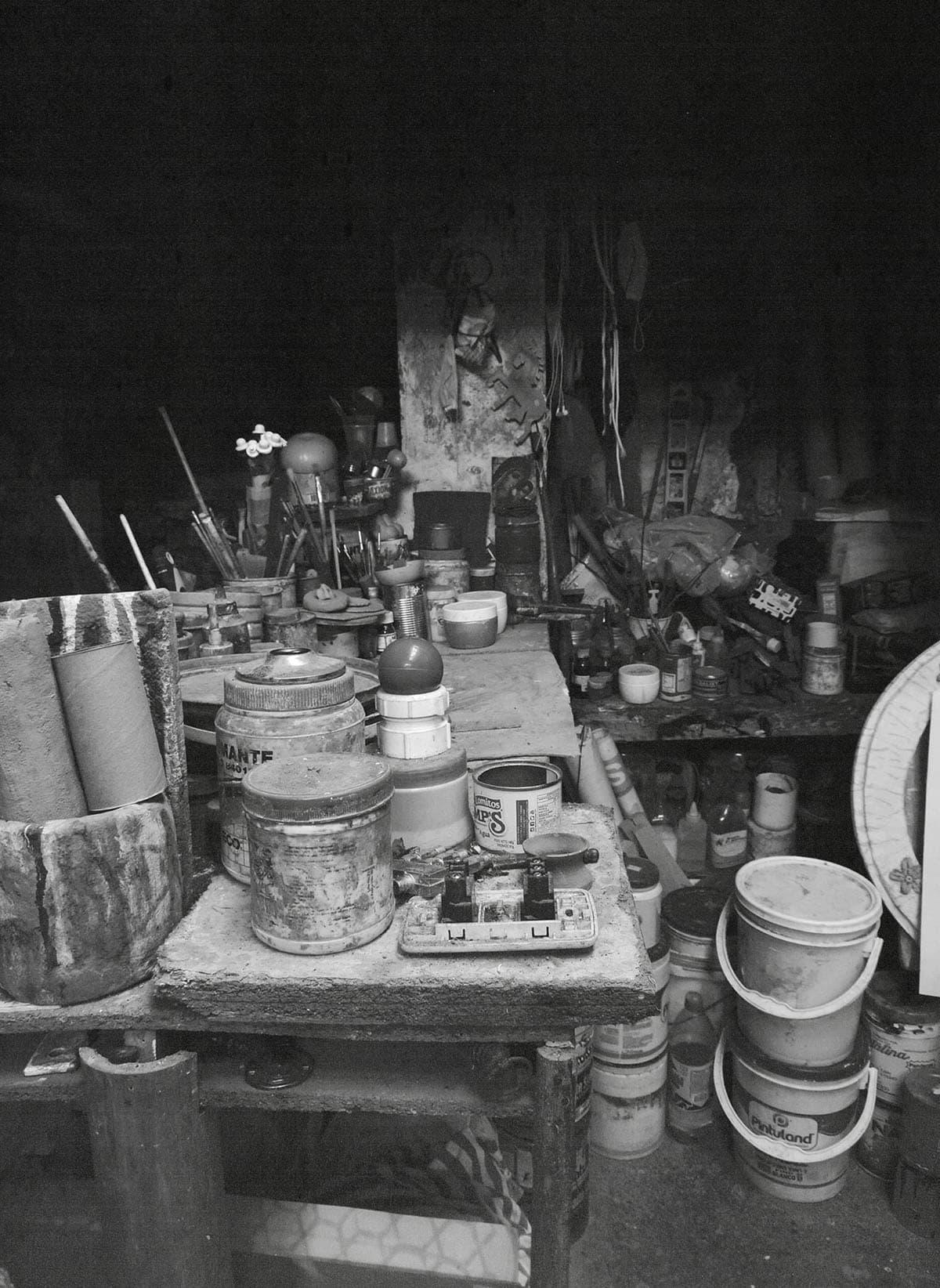
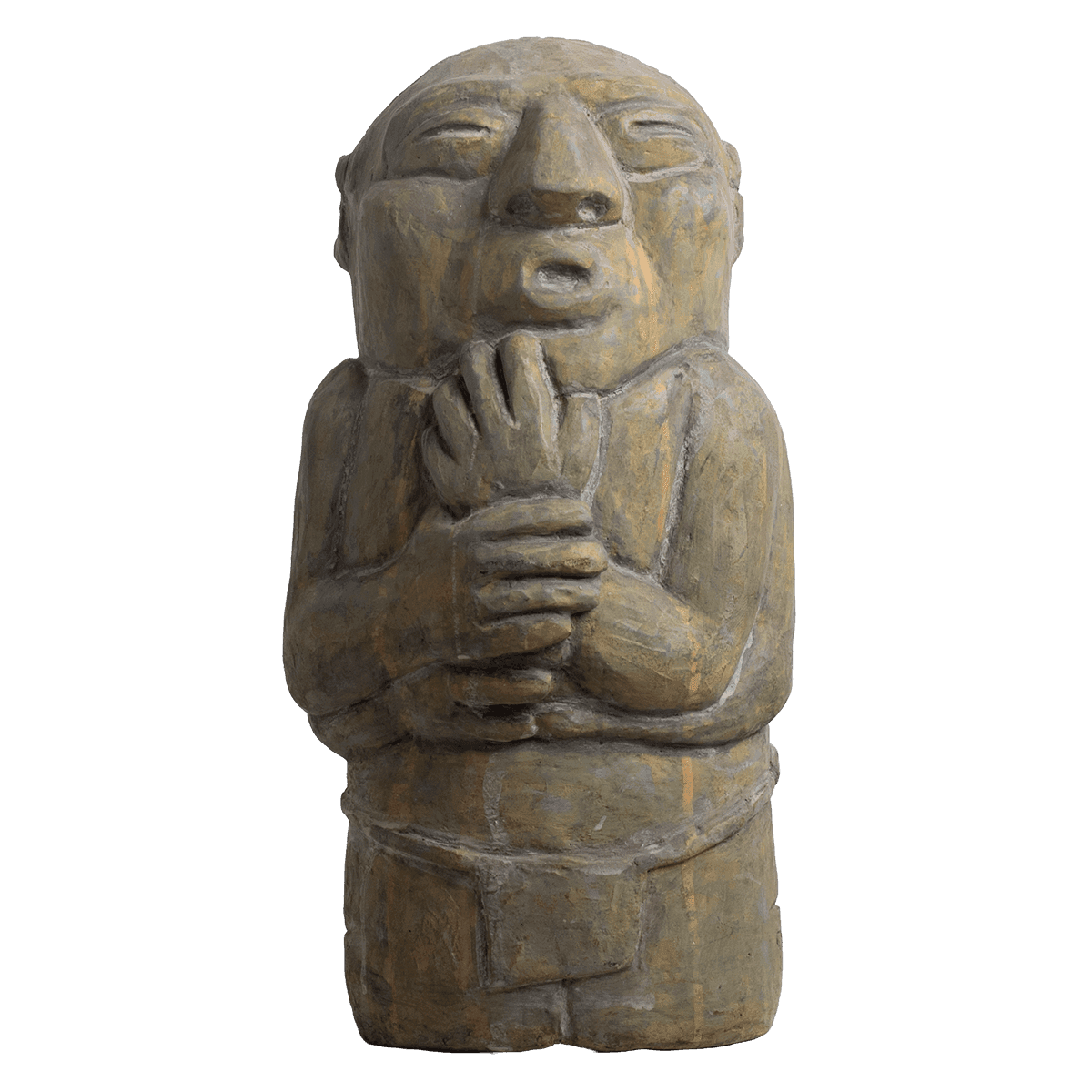
Carlos Castillo — Criollismo, Colombian visual artist
The Essence of Colombia, — Symbiosis with Technique
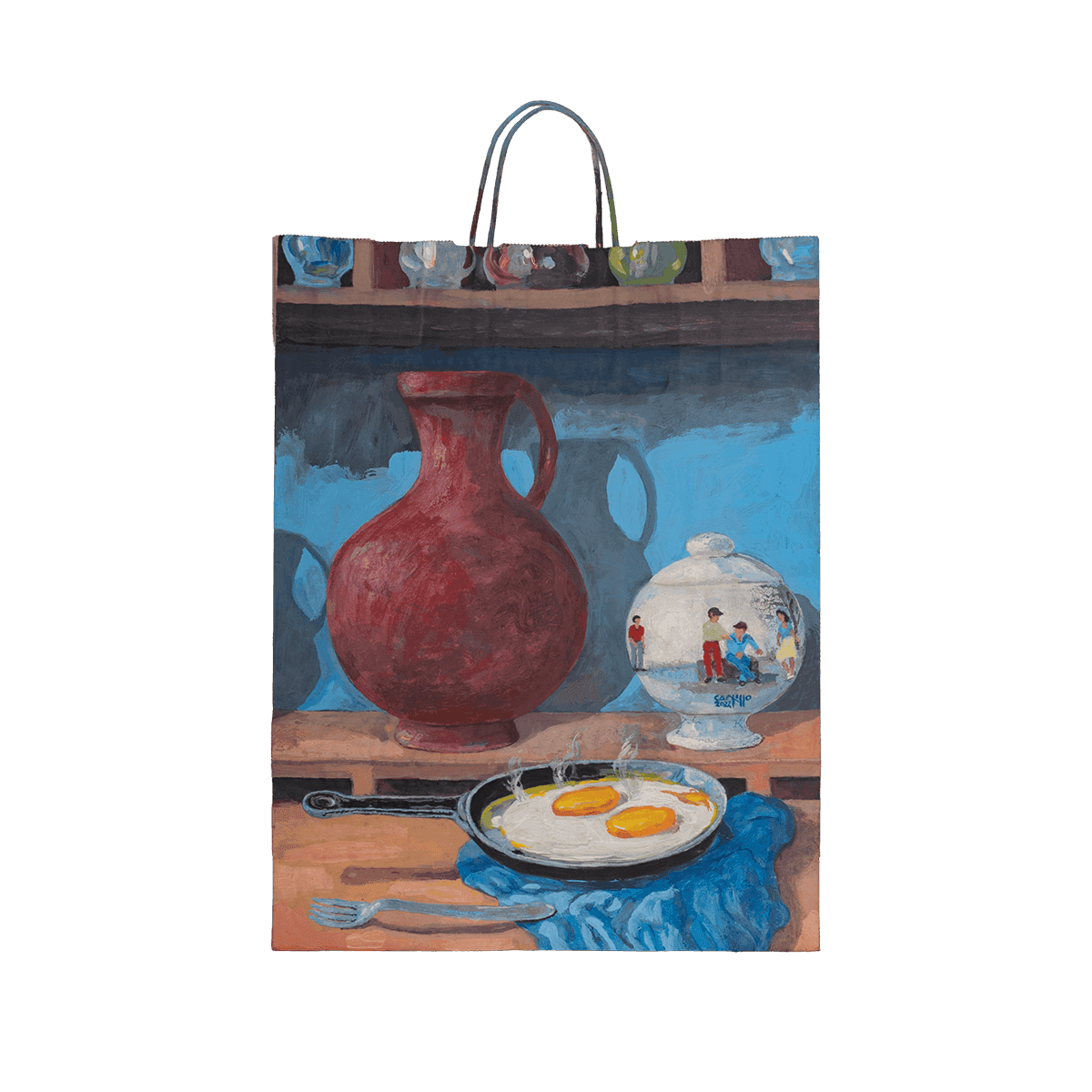
Criollismo in Carlos Castillo's work is a pillar that transcends time and the evolution of his art. He takes the cultural heritage of Colombia's Coffee Region and transmutes it into a message that blends contemporary concerns with the richness of the past. From painting to sculpture, criollismo is inseparable from the artist's universe, further enriched by references to the Spanish landscape, muralism, and European impressionism.
As early as the mid-nineties, Castillo already possessed one of the most extensive and complex pictorial collections of Andean culture, pouring the everyday life of the region onto dozens of canvases and consolidating the subject matter for which he is widely recognized. The bold brushstroke, the richness of tones, and the degree of expressiveness in landscapes, faces, and scenes form the distinctive language with which he continues to decode the poetics of coffee country.
See the Work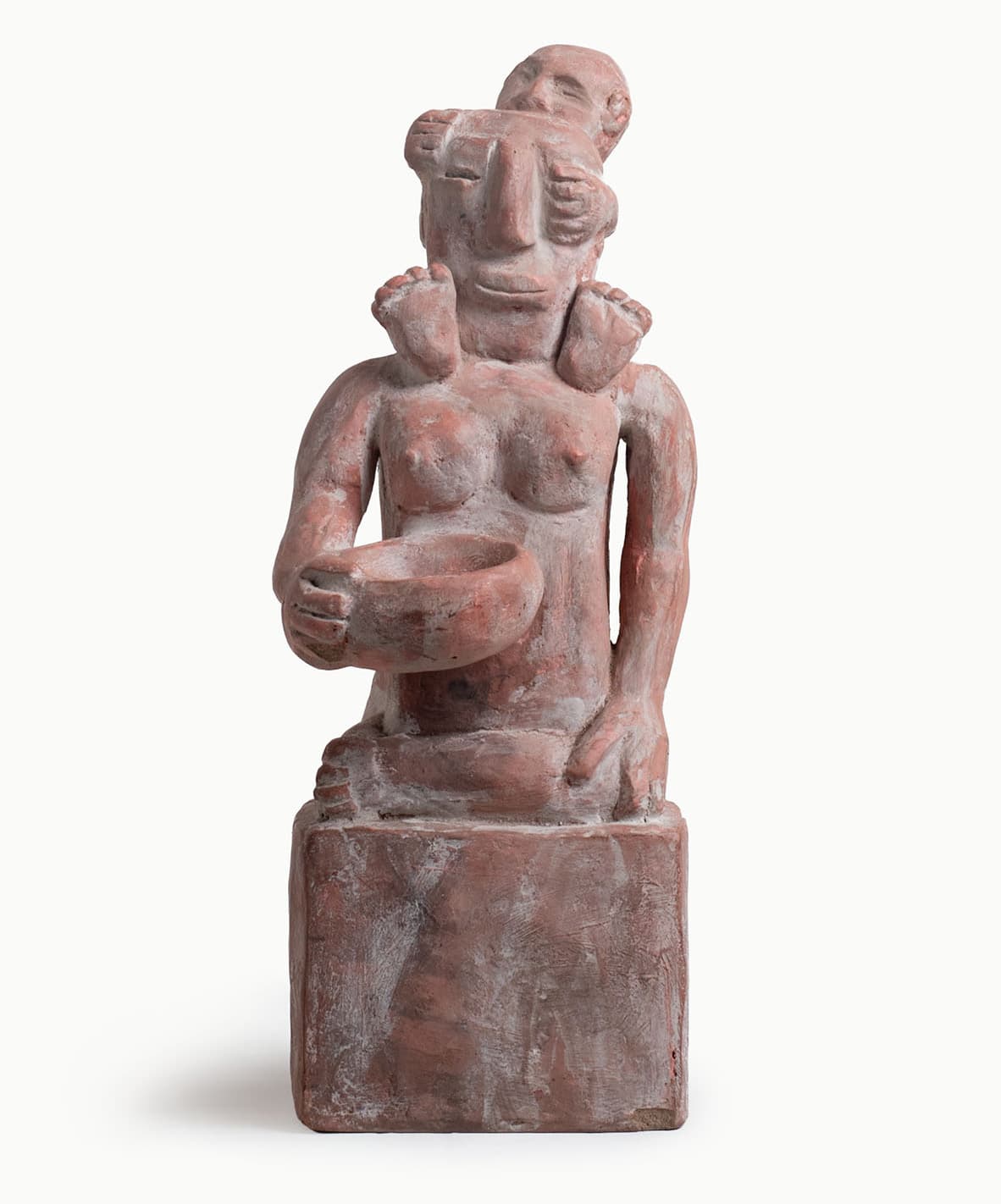
Abuela
2024